The Plant-Based Plateau
Why “better” struggles to become mainstream when food is tied to comfort, identity, and relief
Plant-based food has made real progress. The products are better, the science is stronger, the environmental case is clearer, and the health argument is no longer fringe. In some categories, plant-based foods are now approaching—and in certain cases matching—their animal-based counterparts. And yet, plant-based eating still has not become the everyday norm.
The problem is that better does not automatically become mainstream.
Food does not move through culture as a clean list of benefits. It moves through habit, comfort, identity, trust, politics, pleasure, social pressure, and emotion. That may be why plant-based food has reached a plateau.
For plant-based food to move from alternative to ordinary, it has to fit the way people actually live, not just the values they may support. That means understanding daily routines and cultural meaning as much as nutrition, climate, and ethics.
Taste Is Only the Beginning
For years, plant-based foods were easy to dismiss as a compromise: less satisfying, less indulgent, less “real.” When people tried disappointing early versions of the category, the impression often stuck: many did not see them as products still finding their footing. They simply decided plant-based food was not for them.
That is changing. A recent Washington Post analysis highlighted an important turning point: oat barista milk, some plant-based burgers, and certain nuggets performed especially well against animal-based benchmarks in blind tests [1].
But the more important finding is not simply that plant-based food can compete on taste. It is that better products are not enough. Even in cases where plant-based options are perceived as equal on taste and price, most consumers still do not choose them [1]. This suggests that the category’s problem is not only performance. It is meaning.
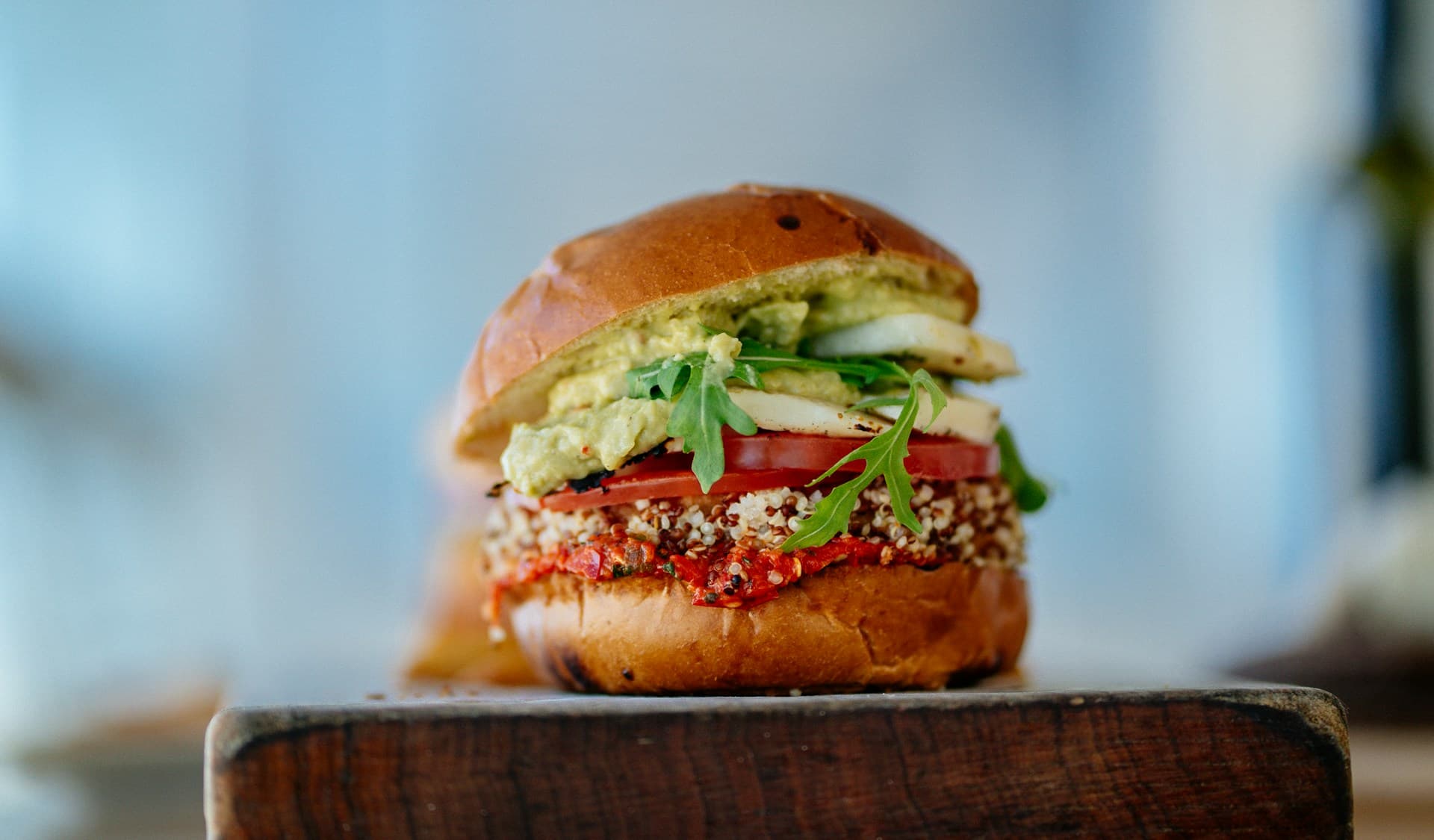
A burger, a glass of milk, or a weeknight meal holds more than flavor. It is expected to offer something more than nutrition: comfort after a long day, care when someone cooks for you, familiarity when life feels busy, or a sense that dinner is complete. People are not simply deciding whether a plant-based version is good enough. They are deciding whether it can carry the same emotional weight as the foods it is trying to replace.
Taste solves the first problem: doubt. But the deeper challenge is making plant-based food feel like it belongs in everyday life.
Identity Shapes the Plate
Identity adds another layer. Food choices can signal who people are, what they value, and how they want to be seen. For plant-based eating, the hesitation comes from worrying that the switch will be read the wrong way.
Gender makes this especially visible. A recent poll found that many U.S. men still associate carnivore-style eating patterns and animal-based foods with masculinity, while soy and plant-based diets are more likely to be feminized [2]. Soy sits at the center of this stigma: although research suggests soy protein can support muscle health in some groups [3], lingering suspicion can still make it seem incompatible with traditional ideas of strength.
None of this is biological. It is cultural. But culture is powerful.
One response is to reverse the signal. Research on masculine framing suggests that language and presentation associated with power and performance can shift how vegan dishes are perceived, but that does not necessarily make people more likely to want them [4]. Simply making plant-based food look more macho may challenge some stereotypes, but it can also reinforce the narrow framework that created the problem.
When plant-based eating feels like a threat to identity, facts alone are rarely enough.
Separation Is Built In
Food identity is reinforced by the world around it: by menus, grocery aisles, advertising, regulations, and the options people are given. Even when consumers are open to plant-based food, the broader environment can make it feel like a departure from the norm.
That separation often appears in small acts of gatekeeping. Naming rules can make plant-based foods feel less settled: restrictions on terms such as “veggie burger” or “vegan sausage,” justified as consumer protection, imply that these foods may mislead unless kept apart from familiar categories [5]. Pricing can create the same effect: added fees for plant-based milk make those choices feel like add-ons rather than standard options [6].
A name like “veggie burger” does not confuse people; it tells them where the food fits: in a bun, on a grill, at a cookout, in a weeknight meal. Restricting that language strips away those cues. Charging extra for oat or soy milk does something similar. If whole and 2% milk can be treated as ordinary options, plant-based milk should be too. Instead, the surcharge adds unnecessary cognitive load by making customers stop and question why the plant-based version costs more, turning a simple coffee run into a decision they now have to think through.
Together, these practices have less to do with serving consumers than with preserving the old food order. Animal-based foods remain the unspoken default, while plant-based foods are made to justify their place.
As long as plant-based food is contained as an “alternative,” it cannot be normalized.
The Burden of Better
Product quality, identity, policy, and habit all help explain the plateau. But plant-based eating also faces another obstacle: it often enters the conversation as responsibility [1].
The pitch is usually framed as a choice that is better for the world: for health, animals, climate, labor, land, and the future of the food system. Those are real reasons to care. But when they arrive all at once, the appeal can feel heavy before it feels inviting.
Most people are already carrying a lot: long days, tight budgets, and the constant pressure to get through the week. By dinner, food has to be easy to picture, easy to afford, and easy to put on the table without a debate. The larger reasons may matter, but logistics usually decide.
The stronger path is not to abandon those concerns, but to make sure they are not the whole proposition. That is why the best-performing plant-based products succeed by feeling less like something people should eat and more like something they would actually want in a meal [1].
Some brands are already moving in that direction. Violife’s “Undairy the Craving” campaign leans into appetite rather than obligation [7], while Better Balance has shifted in Spain from sustainability toward convenience [8]. In both cases, the message moves closer to how people choose what to eat.
Food can earn approval and still fail to become a habit if virtue is the clearest thing it has to offer.
Small Nudges, Bigger Systems
The remaining problem is that many efforts to make plant-based food mainstream have stayed small and quiet, focused on making the better choice easier to select through clearer descriptions, more intuitive placement, and fewer points of friction. These steps can help by reducing practical barriers in specific contexts.
But nudges have limits when the bigger system stays the same [9].
They work at the point of decision, while the status quo is reinforced everywhere else: through policy, pricing, language, advertising, store layouts, and institutional food norms. With that much shaping the field, presentation alone is not enough.
Plant-based food needs more than basic access. It also requires support from the places where food habits are formed and reinforced, including schools, cafeterias, public programs, and food-service rules. Such settings influence what feels familiar, legitimate, and easy to choose. If plant-based food remains peripheral within these channels, greater visibility will not be enough to make it feel central.
Small interventions can open space for change. But for those efforts to carry further, we have to confront the structural advantages that give animal-based foods built-in support while leaving plant-based foods struggling to gain comparable ground.
A New Story for Plant-Based Food
No single fix will move plant-based food into the mainstream. The problem is woven into how everyday habits and identities are formed. But a new story is one place to begin: one that makes plant-based food feel less like restraint, responsibility, or replacement, and more like something people want in its own right.
Health is the clearest way in. A recent EcoVox survey found that among regular buyers of meat and dairy alternatives, health was the leading reason for purchasing them [10]. That grounds the story in something consumers already care about: plant food as a path to feeling better and eating well.
To make this connection stick, health has to become more than a claim. It has to show up in ways people remember. Coffee means morning. Pizza means Friday night. Soup means comfort. Cake means celebration. Plant-based food needs hooks like these: simple phrases that carry the logic of healthy eating into moods, moments, and rituals people recognize.
Here’s what that could look like:
Go Nuts for Breakfast
Nuts and seeds bring crunch and richness to bowls, toast, oats, and smoothies.
Build with Beans
Beans and lentils give meals a hearty foundation, with protein, fiber, texture, and real substance.
Fruit on the Fly
Apples, oranges, and bananas are sweet, colorful fuel: familiar, portable, and ready whenever you are.
Say Yes to Soy
Tofu, tempeh, and edamame give meals a satisfying, protein-rich center, with versatility and staying power.
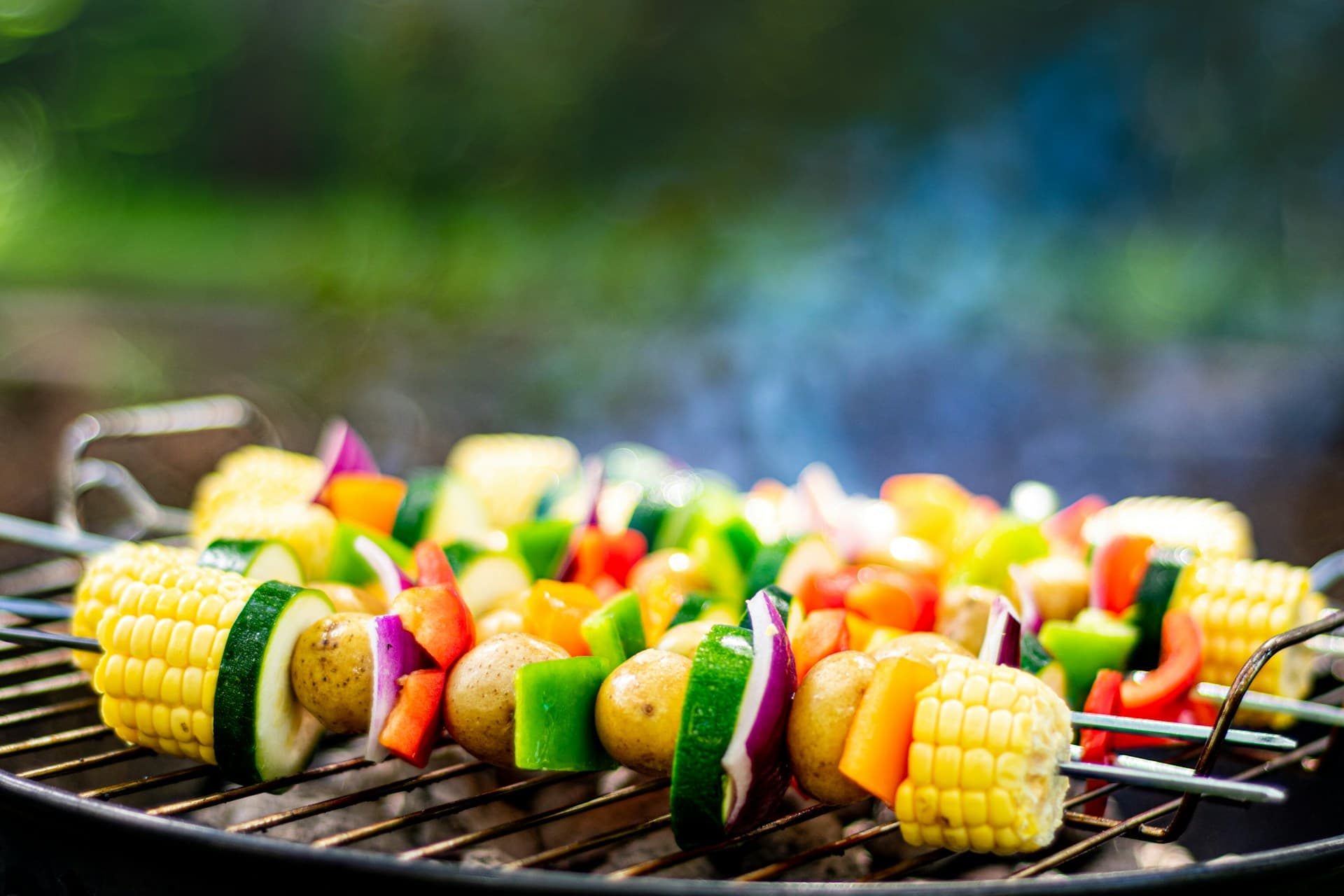
Party with Plants
Salads, dips, skewers, grain bowls, spreads, and vibrant platters give celebrations something bright, abundant, and worth gathering around.
For plant-based foods to enter everyday life, the appeal has to be immediate, with health doing the quieter work underneath. The message should be simple: same effort, better choice. Not a demand to overhaul the way people eat, but an invitation to make the routines they already know feel more nourishing.
Becoming Ordinary
The plant-based food plateau will not break because these foods win every argument. It will break when they stop feeling like an exception.
Rather than recreate the old default, plant-based food needs a new one: a foundation with enough emotional and practical weight to be trusted.
That will require more than better products. It will require changing what plant-based food is made to represent. The choice cannot keep arriving as a test of values, a compromise at the table, or something that has to be explained before it can be enjoyed. It has to belong to the rhythms of ordinary eating: rushed mornings, tired weeknights, shared dishes, and tables that feel generous.
Only then can plant-based food become something people reach for without turning the moment into a statement.
And that is how it moves from exception to ordinary.
References
[1] Coren, M. J. (2026, May 19). The missing ingredient in plant-based food isn’t taste or nutrition. The Washington Post. Accessed June 19, 2026. https://www.washingtonpost.com/climate-environment/2026/05/19/plant-based-foods-are-now-matching-meat-dairy-taste-tests/
[2] vegconomist. (2026, June 1). Poll finds most US men view carnivore diet as masculine, but many would switch if health risks were clear. Accessed June 19, 2026. https://vegconomist.com/studies-numbers/poll-finds-most-us-men-view-carnivore-diet-masculine-many-would-switch-health-risks-were-clear/
[3] Wu, X., Lim, K. J., Ma, Y., et al. (2026). The effects of soy protein–rich meals on muscle health of older adults are linked to gut microbiome modifications. Journal of Cachexia, Sarcopenia and Muscle, 17(1), e70212. https://doi.org/10.1002/jcsm.70212
[4] Bambridge-Sutton, A. (2023, October 9). The effect of masculine marketing on vegan diets. FoodNavigator. Accessed June 19, 2026. https://www.foodnavigator.com/Article/2023/10/09/the-effect-of-masculine-marketing-on-vegan-diets/
[5] vegconomist. (2025, November 5). What happens if the EU bans terms like “veggie burger”? A new consumer study explores. Accessed June 19, 2026. https://vegconomist.com/studies-numbers/what-happens-eu-bans-terms-like-veggie-burger-new-consumer-study-explores/
[6] vegconomist. (2026, June 17; updated June 19). Quebec court lets lawsuit proceed after Starbucks admits $0.12 cost behind $0.80 plant-based milk fee. Accessed June 19, 2026. https://vegconomist.com/politics-law/quebec-court-lets-lawsuit-proceed-after-starbucks-admits-0-12-cost-behind-0-80-plant-based-milk-fee/
[7] Karlovitch, S. (2026, June 8). Violife slices through dairy-free cheese misconceptions with social series. Food Dive. Accessed June 19, 2026. https://www.fooddive.com/news/violife-slices-through-dairy-free-cheese-misconceptions-with-social-series/822209/
[8] vegconomist. (2026, June 5; updated June 8). Better Balance shifts Spanish marketing away from sustainability messaging. Accessed June 19, 2026. https://vegconomist.com/marketing-media/better-balance-shifts-spanish-marketing-away-sustainability-messaging/
[9] Wolfe, R. (2026, February 19). Why nudge policies failed. The Atlantic. Accessed June 19, 2026. https://www.theatlantic.com/books/2026/02/new-book-debunks-nudge-policies/686044/
[10] vegconomist. (2026, June 10). Health and cost savings drive meat and dairy alternative purchases, survey finds. Accessed June 19, 2026. https://vegconomist.com/market-trends/health-cost-savings-drive-meat-dairy-alternative-purchases-survey-finds/
Keep Reading

The Plant-Based Plateau in Practice
Vegan food is more available than ever, but access, nutrition, flavor, and clarity still determine whether it feels ordinary or remains an ongoing negotiation.
Biology Interrupts the Menu
A tick bite can turn meat into a medical risk, challenging the idea that meat belongs at the center of the plate.

Five Diets, One Longevity Pattern: Plants Win
What do the diets linked to longer life have in common? A decade of data from more than 100,000 people points to the same answer: plant foods.

Processed Food is a Spectrum (Not a Villain)
“Processed” started as a warning and hardened into a verdict. Now the label is erasing important differences and doing work the definition can’t support.