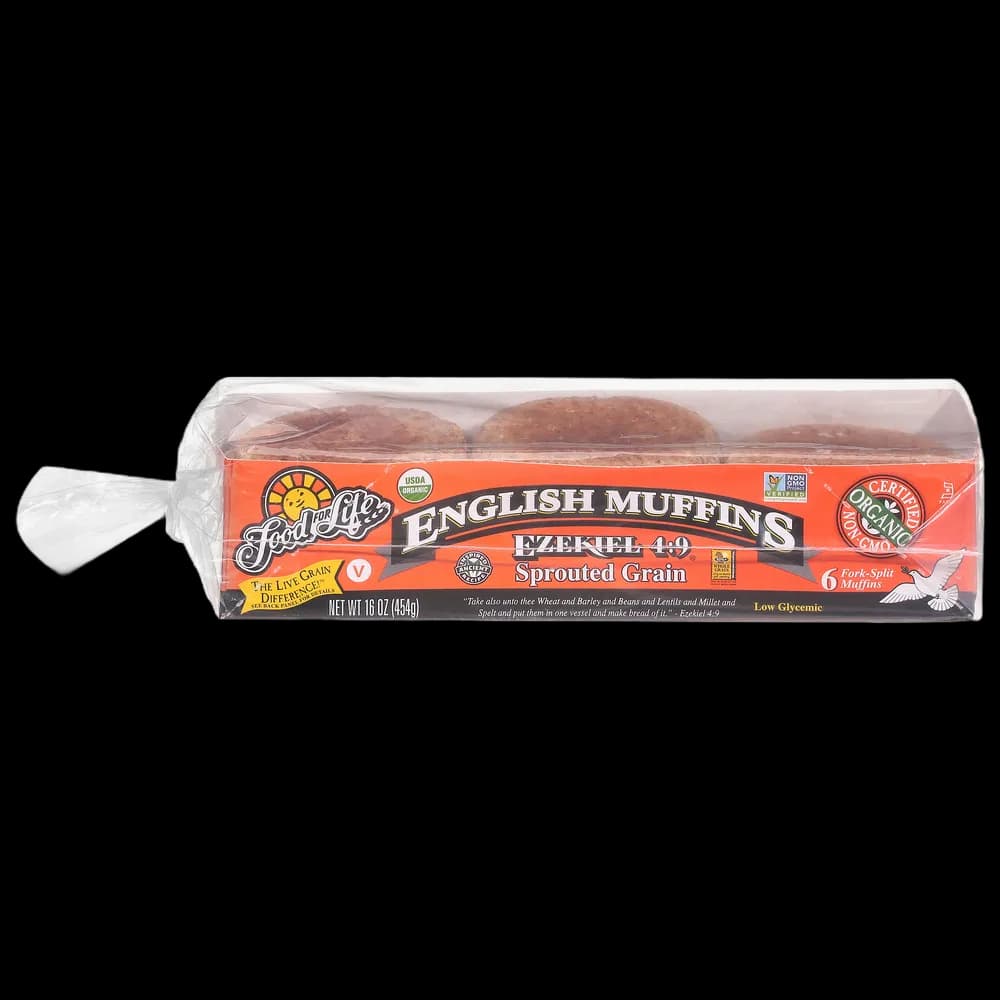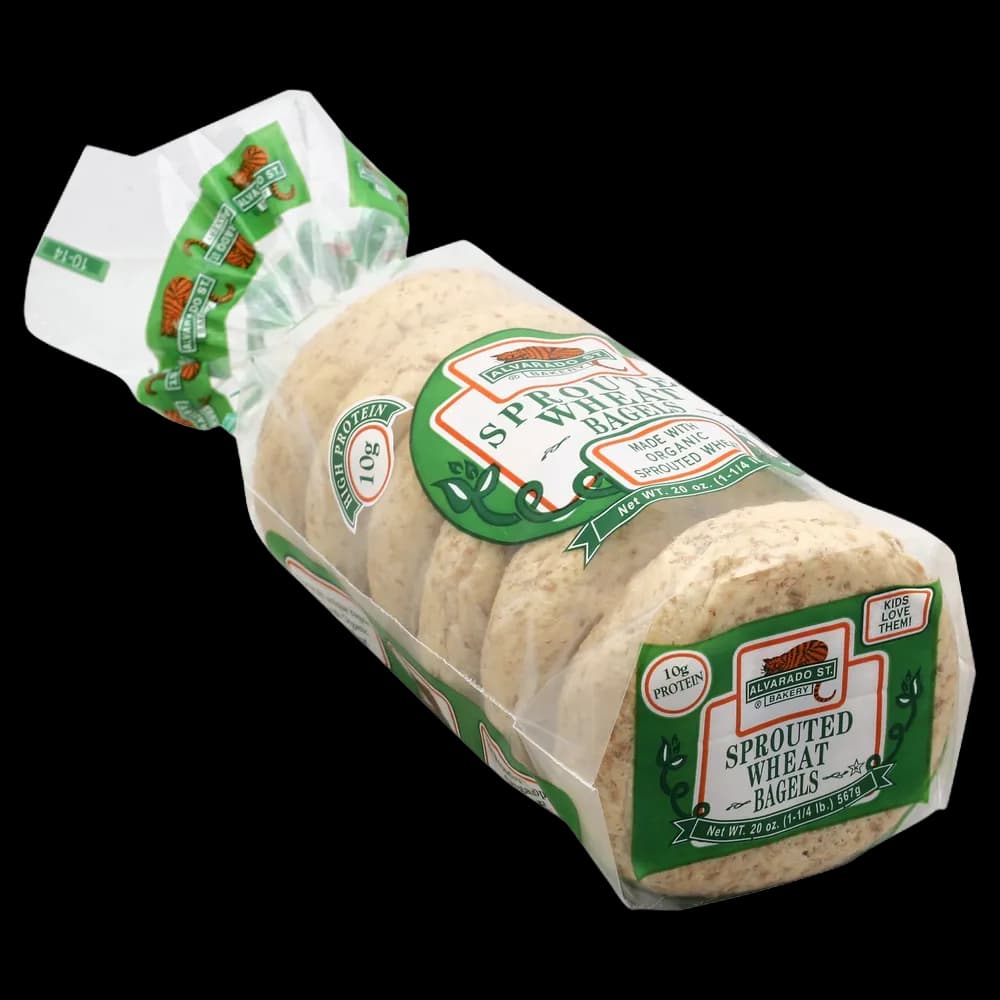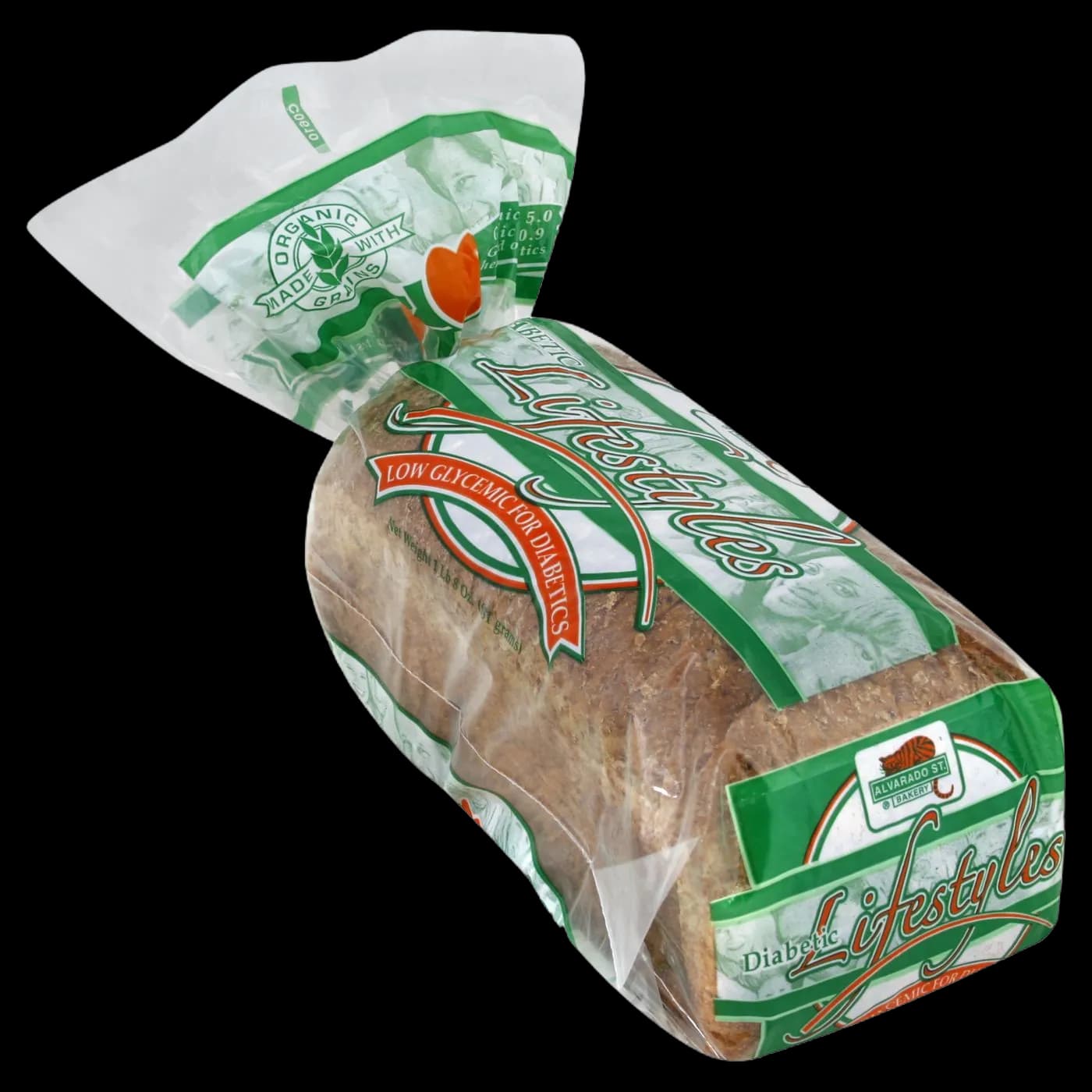
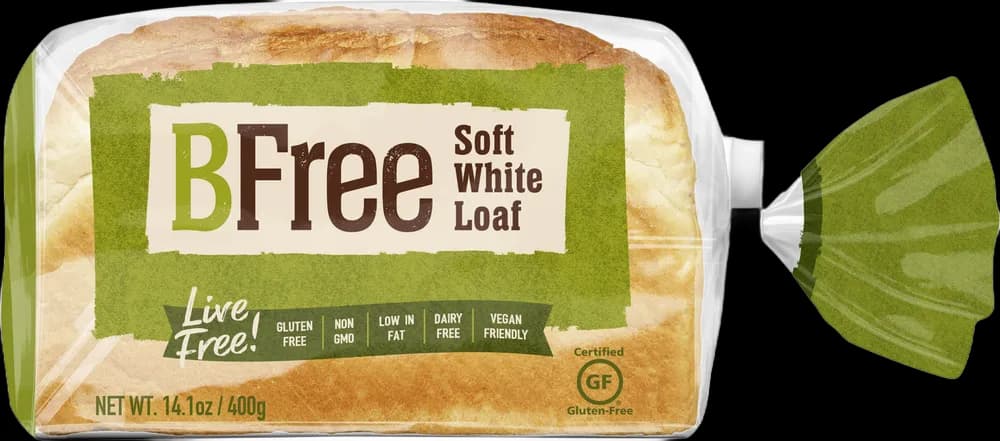
BFree Soft White Loaf
Why It Scored This Way
A mixed nutrition profile and more processed formulation give this product some useful qualities, but also meaningful limitations.
- Fiber
- Added Sugar
- Sodium
- Processing
Verdict
BFree Soft White Loaf is a gluten-free bread alternative designed for those avoiding wheat. Its main strength is a meaningful amount of fiber, while its main tradeoff is a heavily formulated profile. Overall, it serves as a functional substitute for traditional white bread when a gluten-free option is required.
How to Use This
Best included occasionally, a few times per month, within a balanced diet and in controlled portions. Try it toasted with avocado and sliced tomatoes for a simple breakfast toast.
Nutrition Overview
The profile is characterized by a decent fiber contribution and a lack of added sugars, though sodium levels are moderate for a single slice.
Nutrition Facts
| Nutrient | Amount | % Daily Value |
|---|---|---|
| Calories | 90 | Per serving |
| Total Fat | 0.5g | 1% |
| Saturated Fat | 0.1g | 1% |
| Trans Fat | 0g | — |
| Sodium | 180mg | 8% |
| Total Carbs | 16g | 6% |
| Dietary Fiber | 4g | 14% |
| Total Sugars | 0g | — |
| Added Sugars | 0g | 0% |
| Protein | 3g | 6% |
| Vitamin D | 0mcg | 0% |
| Calcium | 47mg | 4% |
| Iron | 0.6mg | 3% |
| Potassium | 65mg | 1% |
Ingredient Analysis
The loaf is built from a blend of potato, corn, and tapioca starches along with rice and buckwheat flours. This base is supported by a long list of industrial gums, stabilizers, and mold inhibitors to achieve a soft, bread-like texture without gluten.
Ingredients
Water, Potato Flour, Corn Starch, Tapioca Starch, White Rice Flour, Buckwheat Flour, Xanthan Gum, Cellulose, Glycerol, Rice Bran, Apple Juice Concentrate, Inulin, Rice Protein, Flaxseed Fiber, Pea Protein, Salt, Sourdough (Fermented Quinoa, Rice and Corn Flour), Yeast, Psyllium Husk, Sunflower Oil, Agar Agar, Citric Acid (a Mold Inhibitor), Malic Acid (a Mold Inhibitor), Tartaric Acid (a Mold Inhibitor), Ascorbic Acid.